
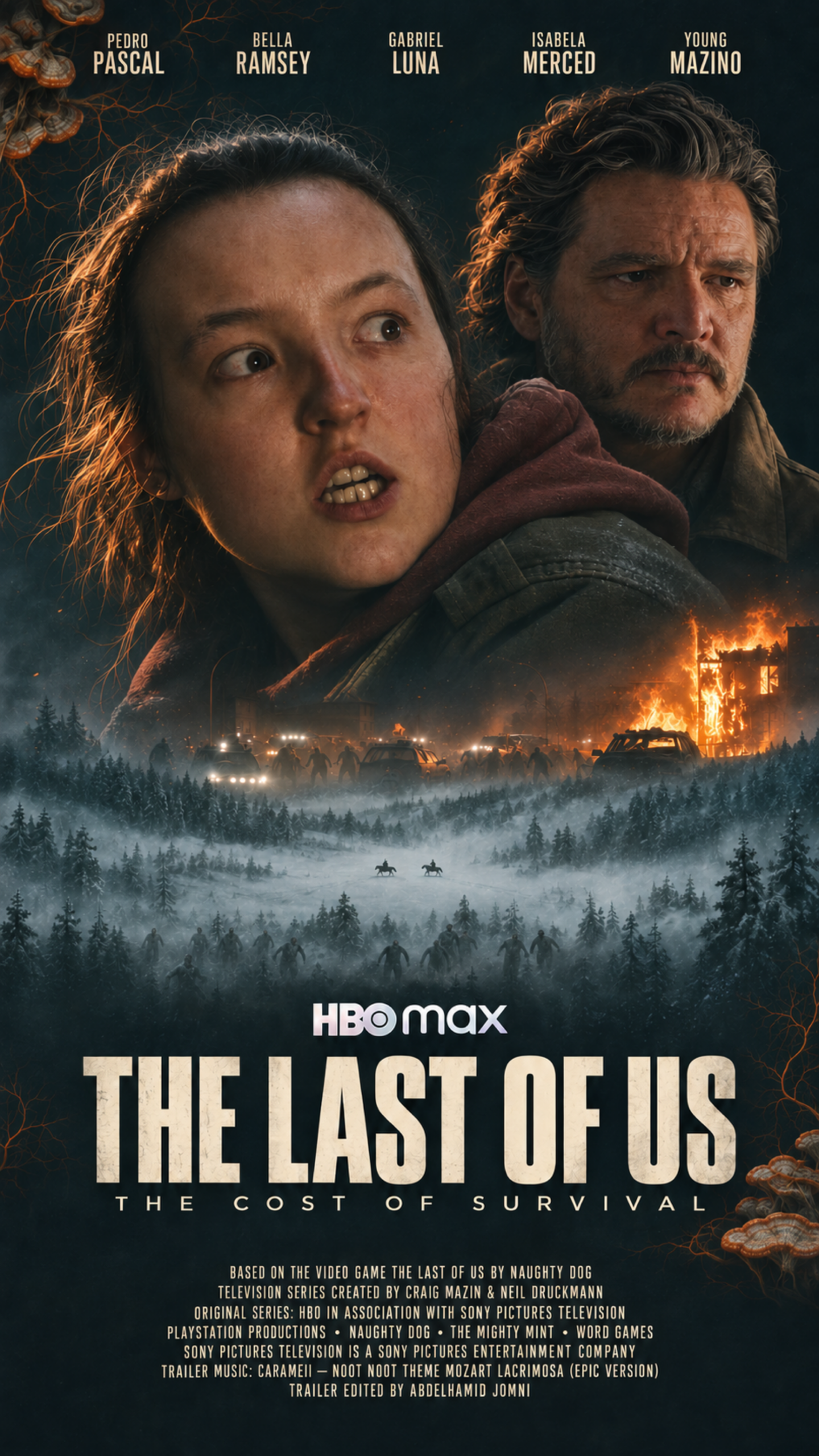
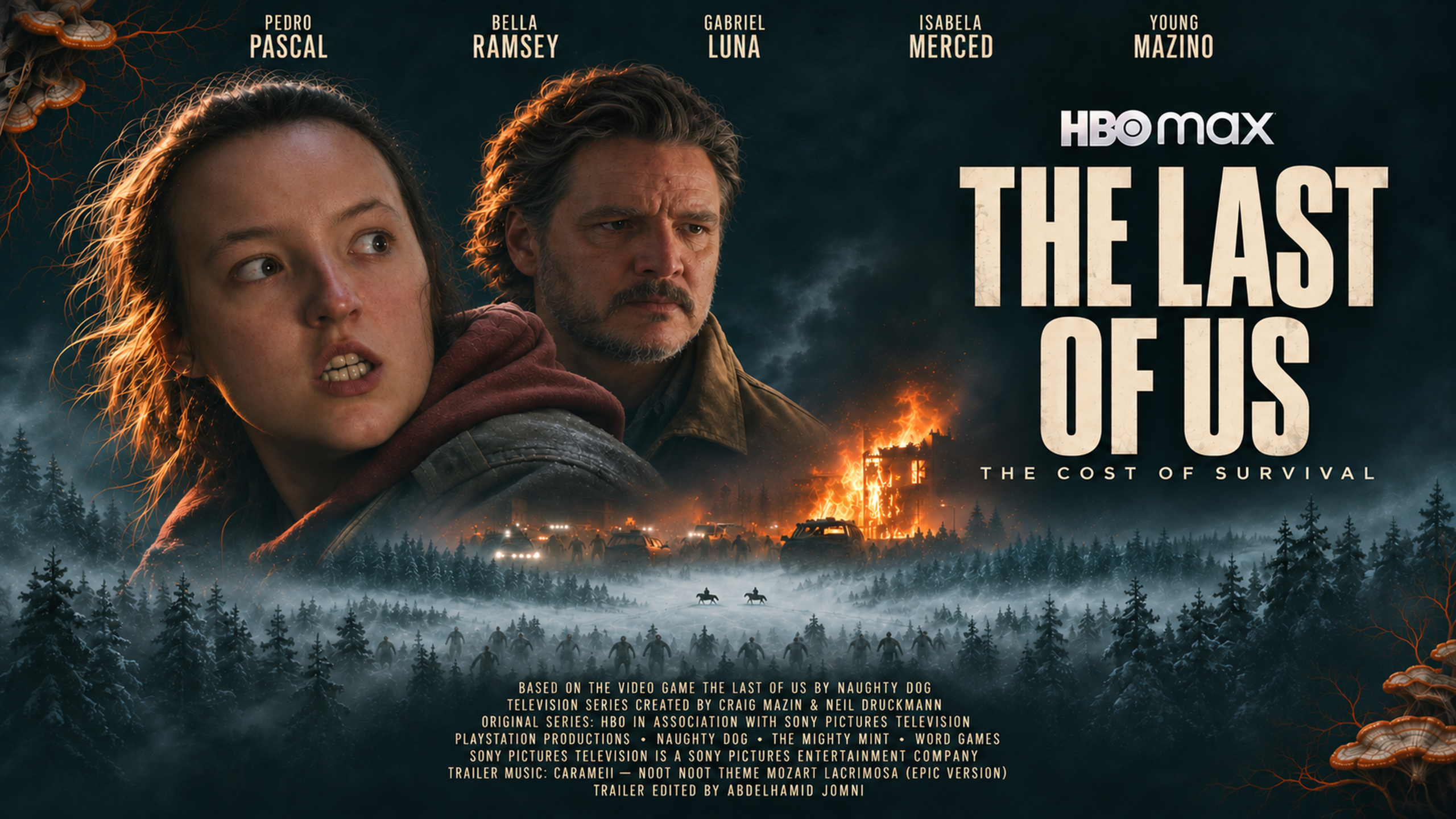
The Last of Us
The Cost Of Survivor Trailer
The story :
The Last of Us is an action-adventure video game series and media franchise created by Naughty Dog and published by Sony Interactive Entertainment. The series is set in a post-apocalyptic United States ravaged by cannibalistic humans infected by a mutated fungus in the genus Cordyceps. It follows several survivors, including Joel, a smuggler who lost his daughter during the outbreak; Ellie, a young girl who is immune to the infection; and Abby, a soldier who becomes involved in a conflict between her militia and a religious cult. The games use a third-person perspective, where the player fights hostile humans and cannibalistic creatures using firearms, improvised weapons, and stealth.
The Brief
The objective is to introduce an imagined next chapter through the emotional consequences of survival. Using existing series footage, the trailer connects vulnerable human moments with increasingly overwhelming danger.
The central idea is that connection gives people a reason to survive and something to lose. Close-ups establish attachment, concern and grief. Infected encounters, pursuit and physical confrontation turn those emotions into immediate danger. Wider fire and snow sequences expand the struggle into a collective siege.
The visual approach
combines intimate framing, restricted visibility, physical action and expansive landscapes. Contrasts between warm firelight and cold exteriors create variation while maintaining a consistent atmosphere.
The intended result is a trailer that brings emotion, horror, action and adventure together through footage selection, pacing and musical interpretation.
The footage selection balances character, threat and environment. I chose close-ups for their ability to communicate fear, grief and determination immediately. A reaction or a troubled expression can establish the stakes within a few seconds. Placing these moments beside physical danger gives the audience a personal connection to the action: there is someone to fear for, and something meaningful at risk.
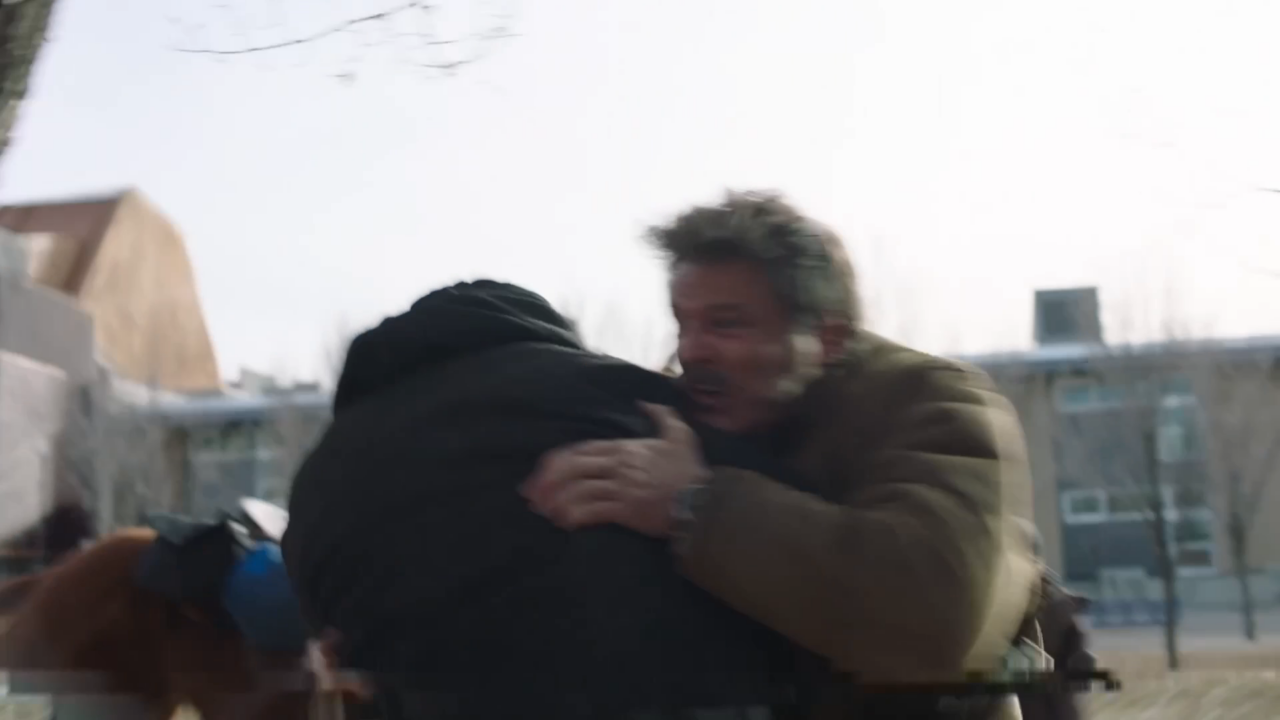
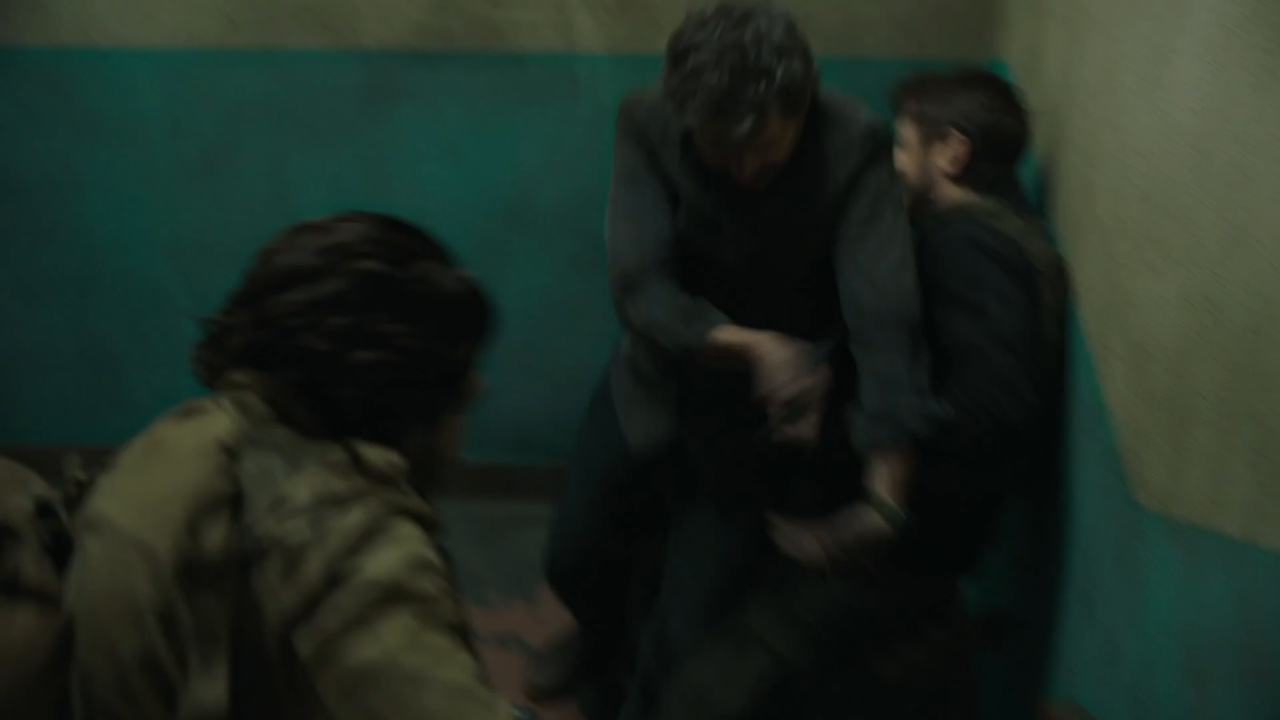
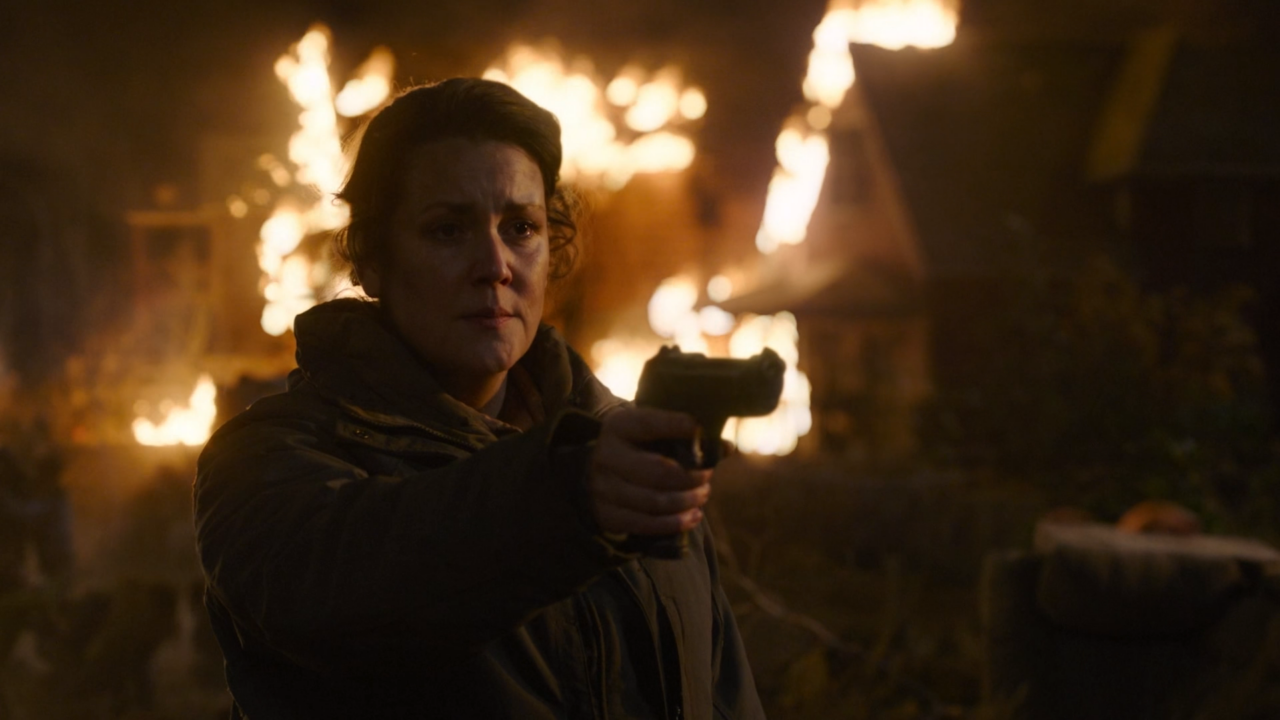
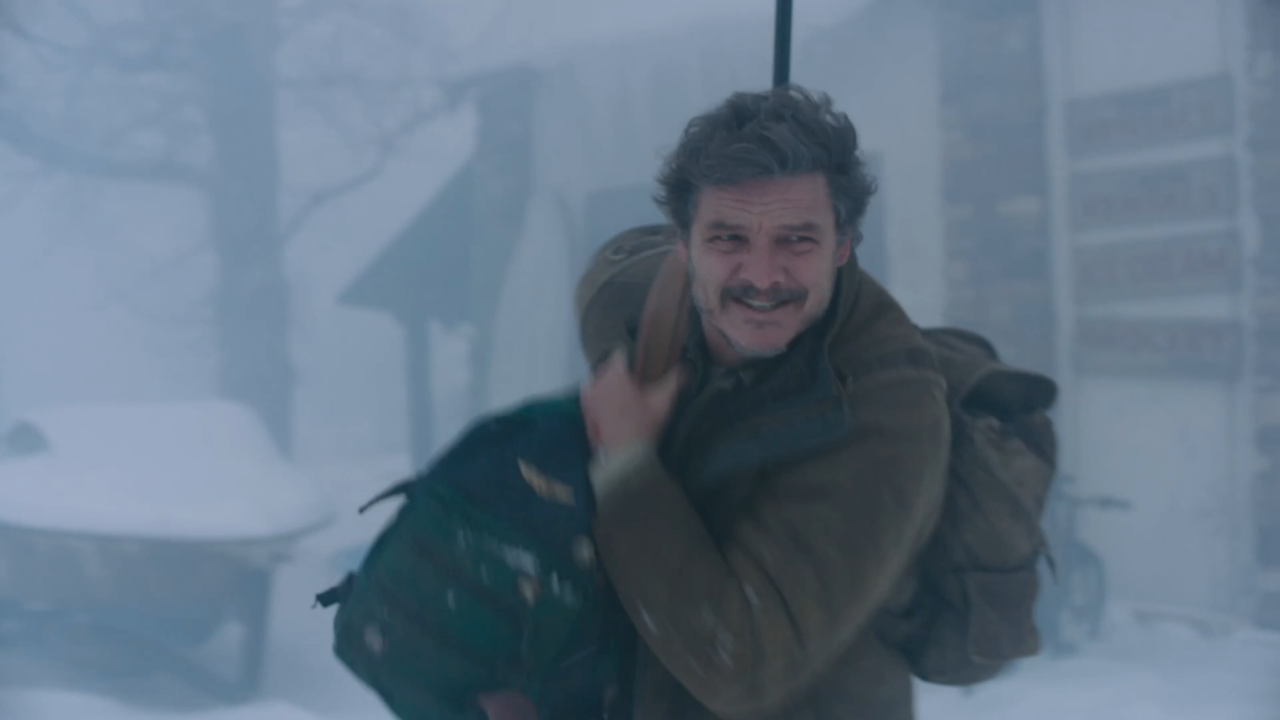
TRAILER SCRIPT — VISUAL SCENARIOS AND MUSICAL DIRECTION
The sequences form an emotional montage across existing footage. Adjacent images may come from different episodes and locations.
| Time | Visual scenario and storytelling purpose | Musicality and suggested sound |
|---|---|---|
| 00:00–00:04 | Opening. Black and the HBO Max bumper establish a pause before entering the characters’ world. | Introduce the music quietly. Keep the opening restrained so the first human image carries weight. |
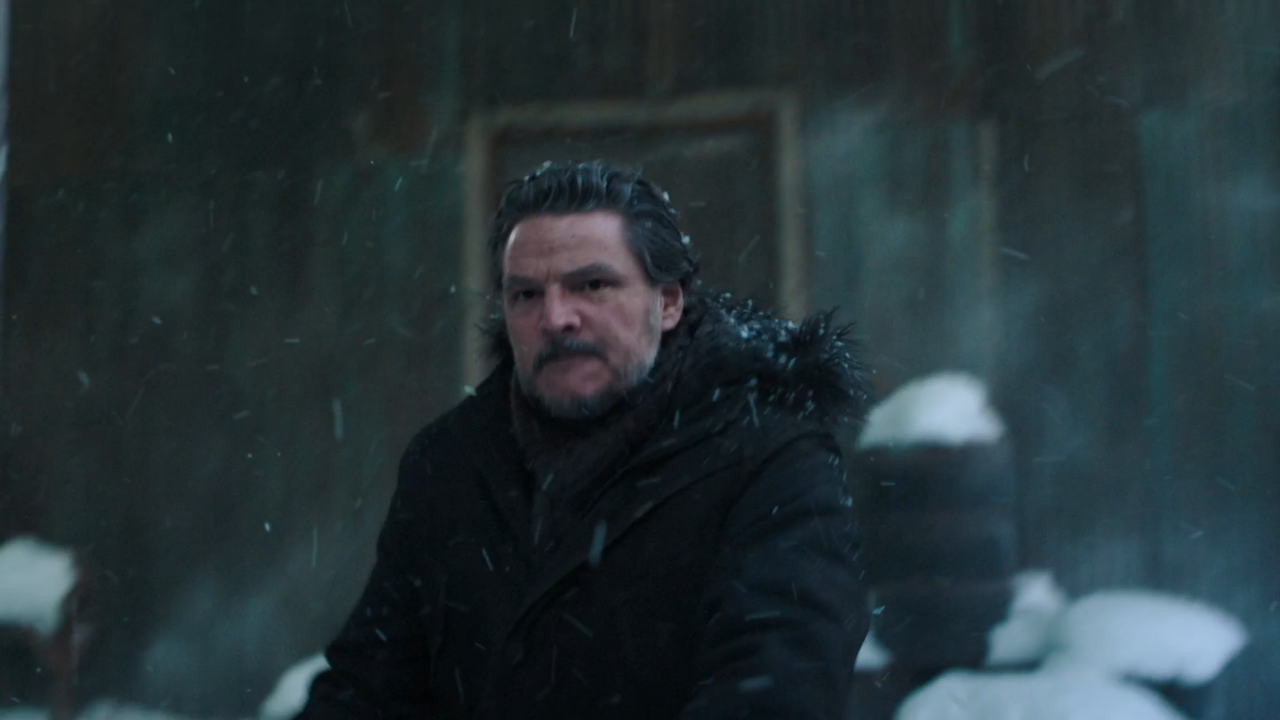
| 00:04–00:16 | Human stakes. Portraits of Joel, Ellie and other survivors establish concern, emotional distance and vulnerability. | Allow the musical opening to connect the faces. Hold expressions long enough to create attachment; use phrase changes for selected transitions. |
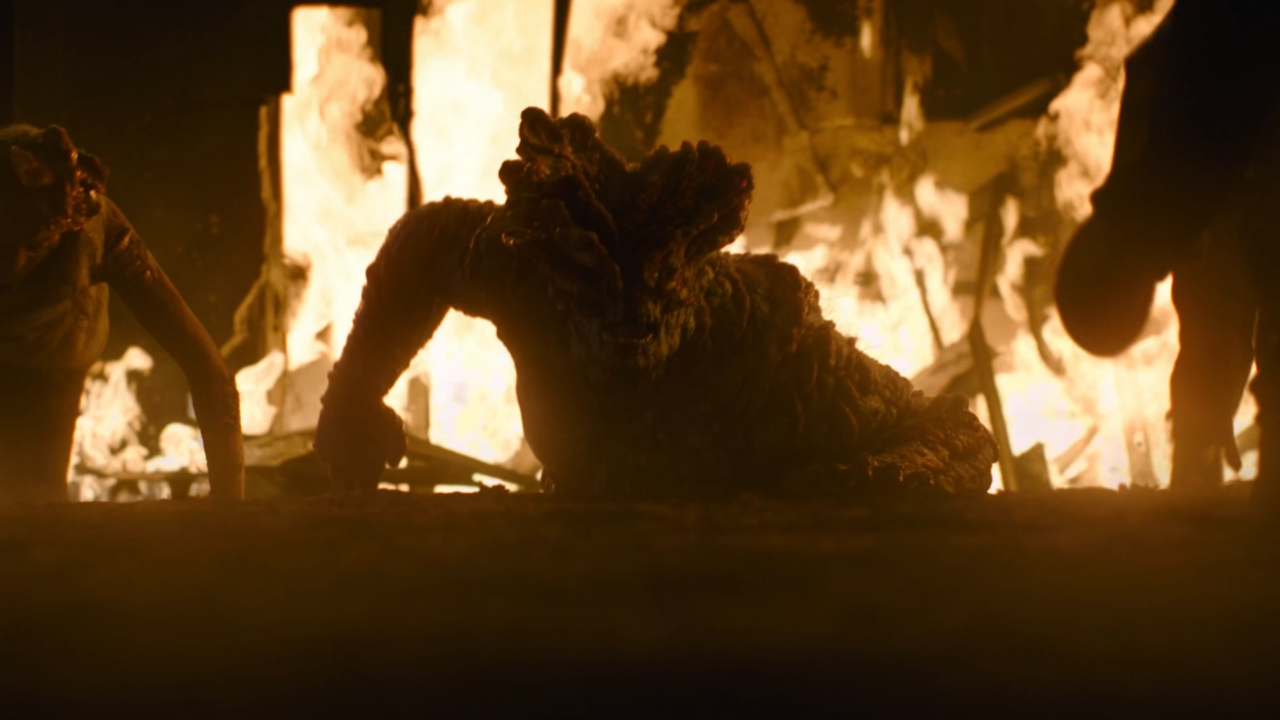
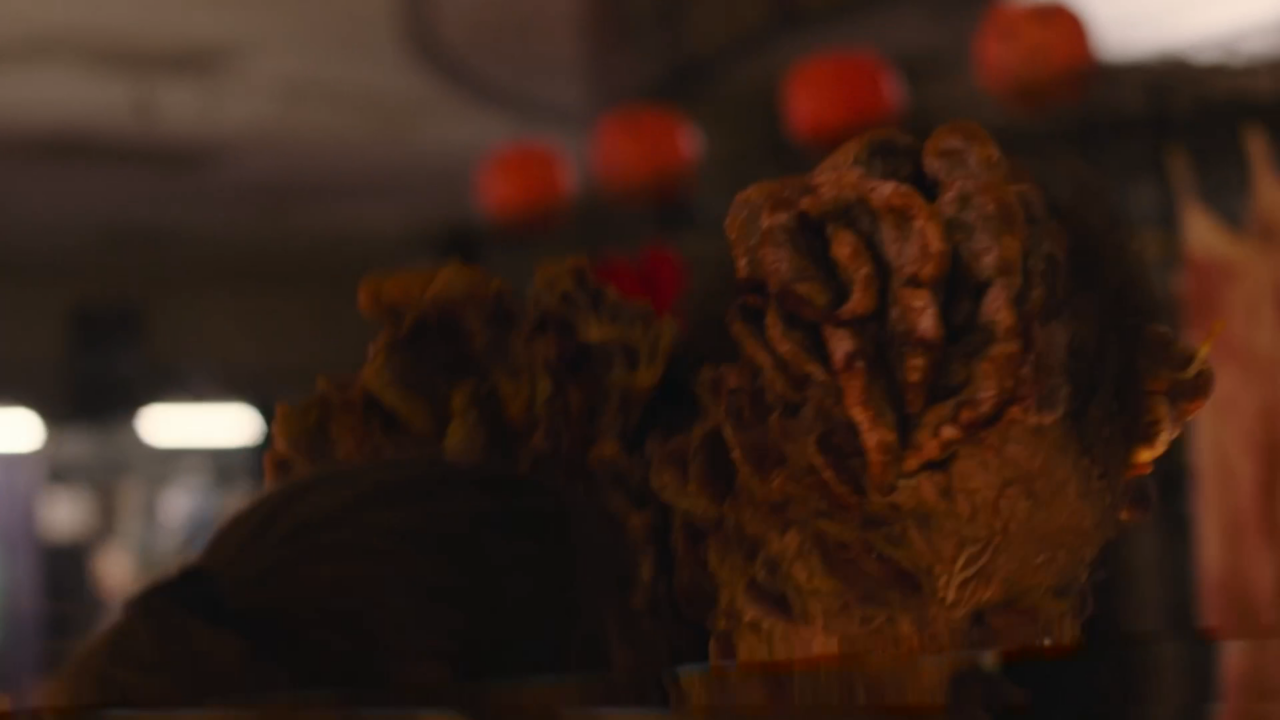
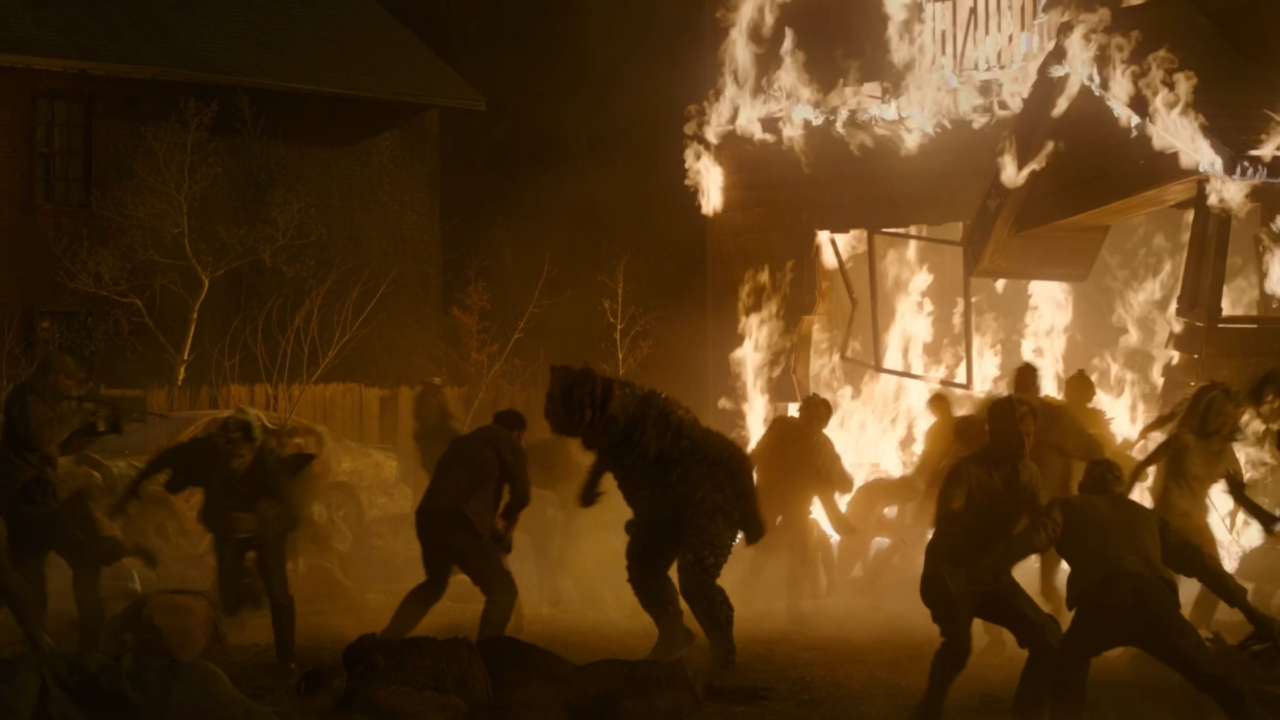
| 00:16–00:19 | Infected emergence. A figure rises against the flames. Emotional unease becomes a visible threat. | Give the reveal a strong nearby musical accent. Add restrained fire and creature movement beneath the track. |
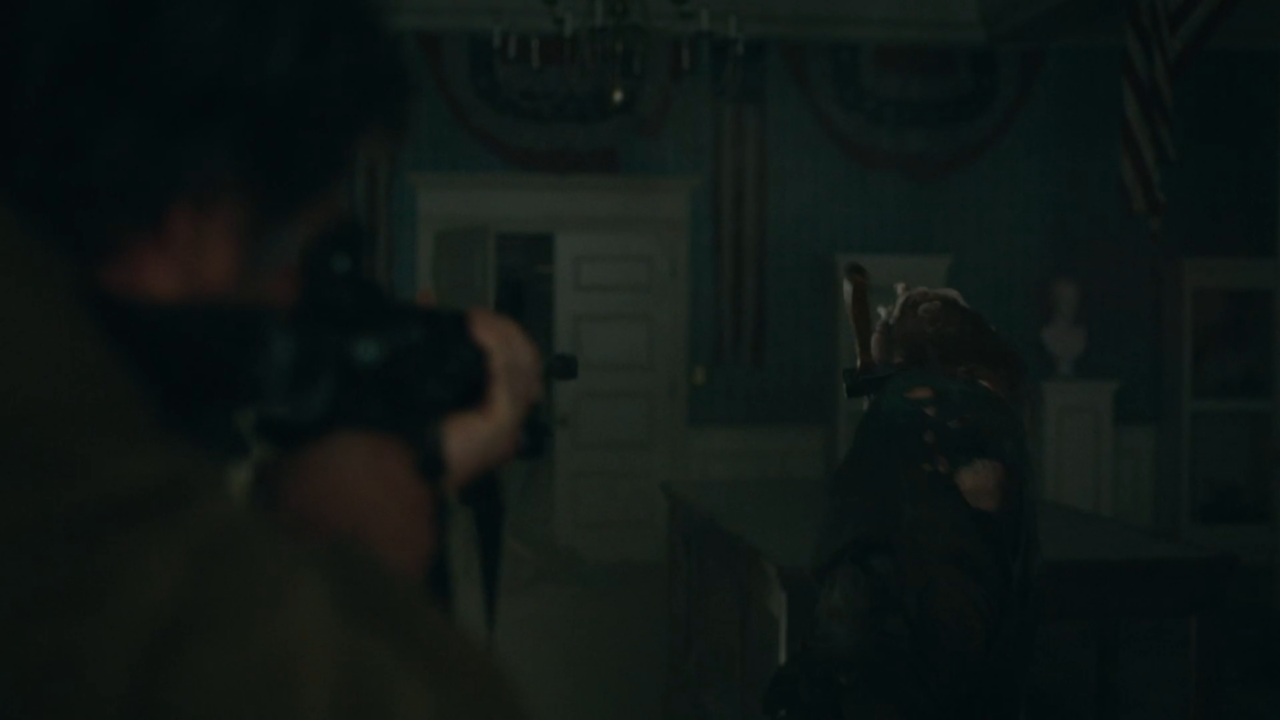
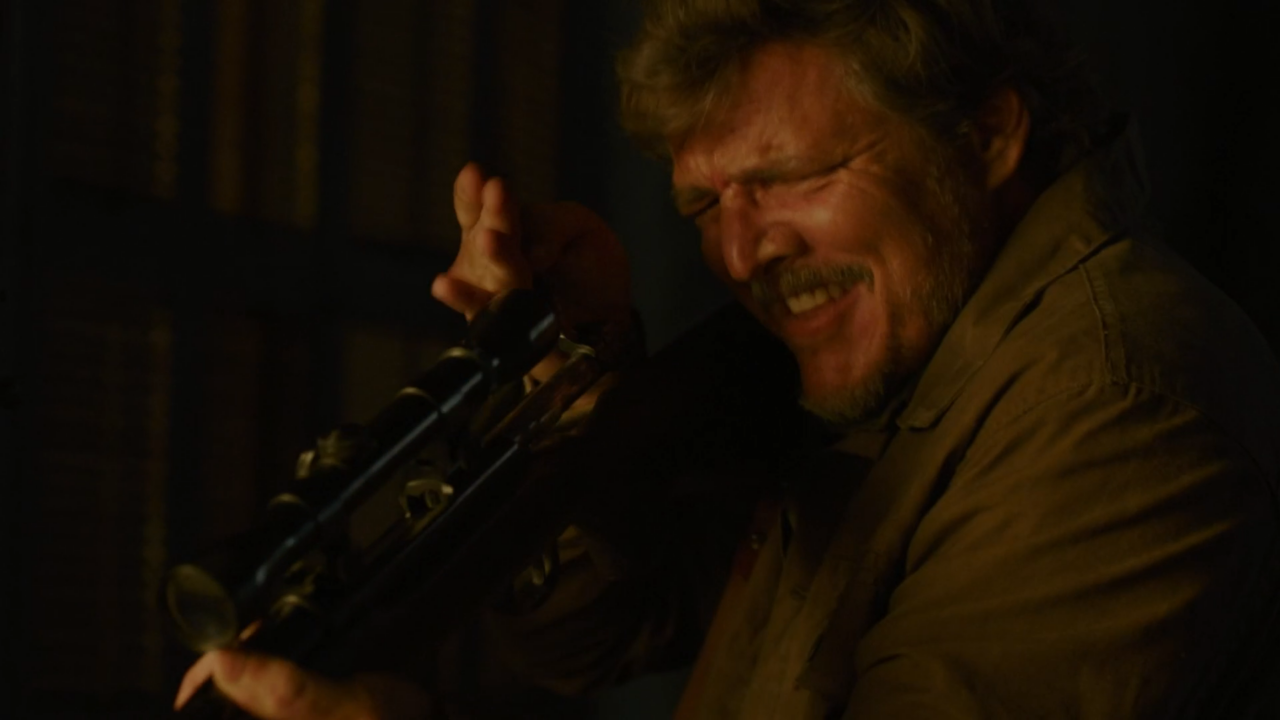
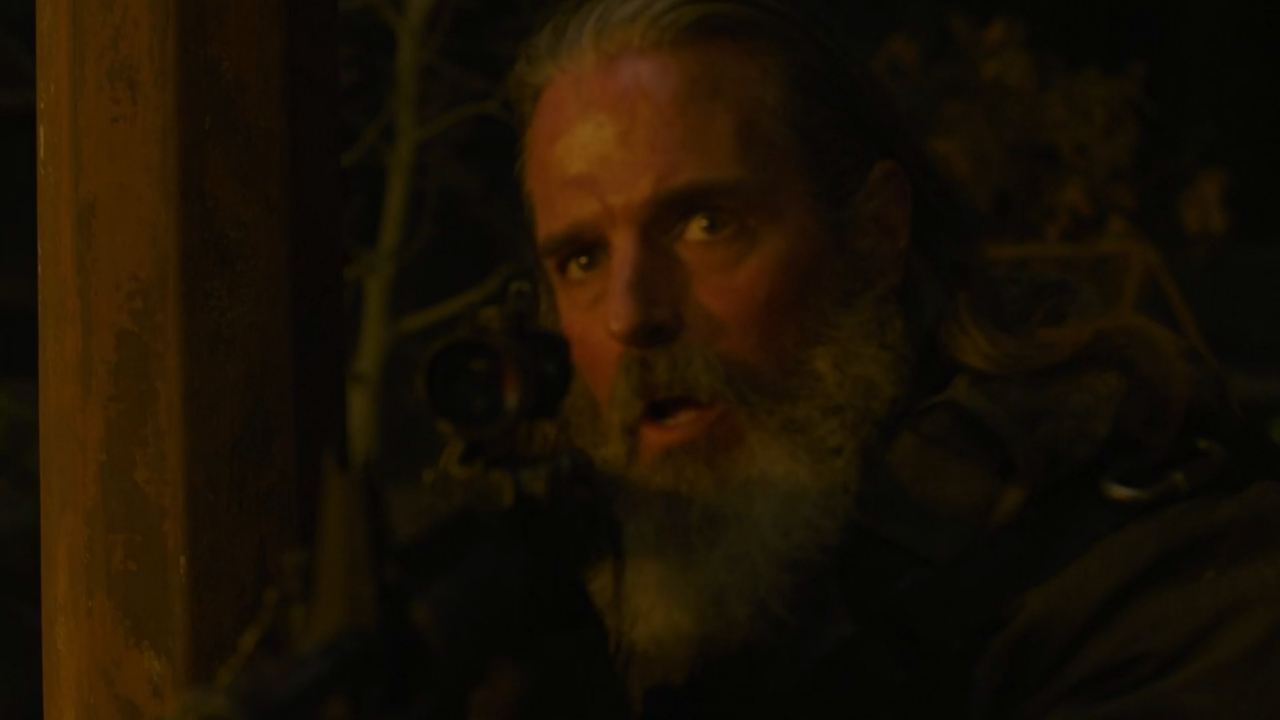
| 00:19–00:21 | Rifle defence. An armed defender holds aim in darkness. The tight frame makes resistance feel exposed and personal. | Sustain tension across the cut. A brief weapon-handling detail can focus attention on the physical action. |
| 00:21–00:35 | Burning-street assault. Infected movement, fleeing bodies, vehicles and flames reveal the scale of the battle. | Carry a broad musical phrase through the sequence. Accent the major advance, then give the wider geography time to register. |
| 00:35–00:40 | Restricted visibility. Flashlight, lighter and frightened eyes direct attention toward small areas of light. Danger remains partly unseen. | Reduce the musical level slightly. Give a lighter click, breath or movement a clear moment before the next impact. |
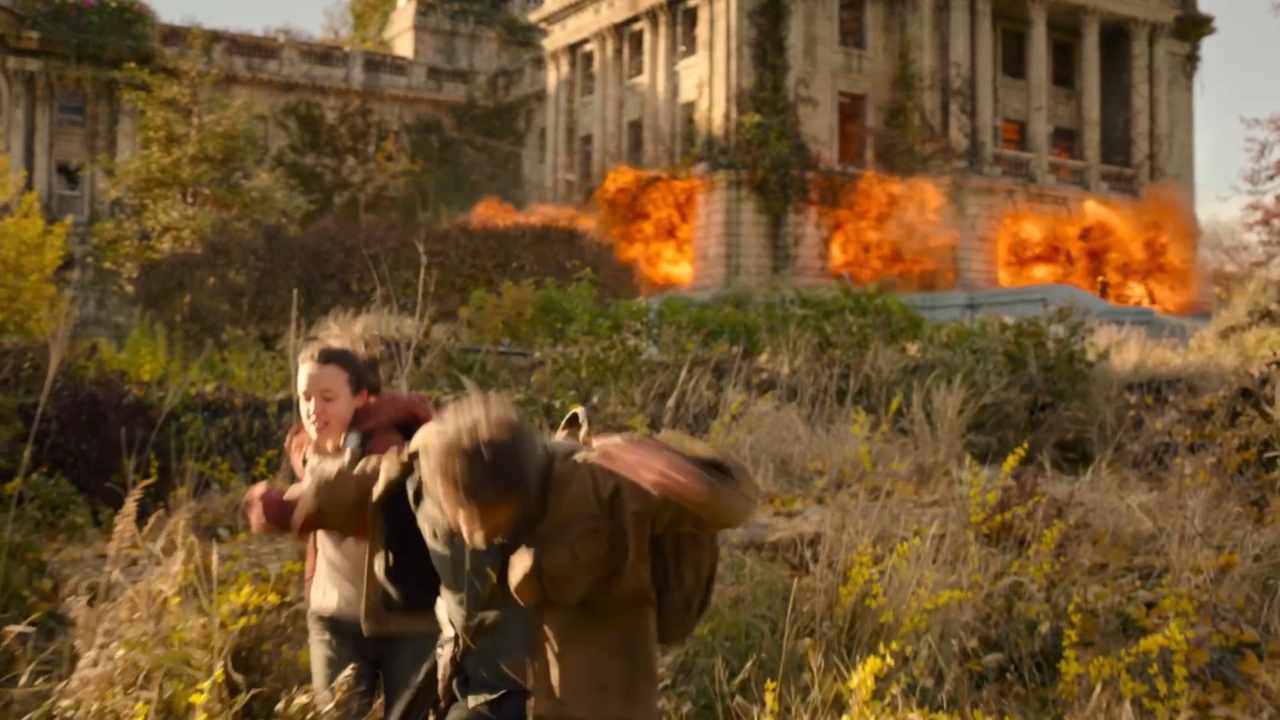
| 00:40–00:41 | Explosion and escape. Figures move away from an expanding blast. Suspense releases into sudden physical danger. | Place the explosion near a strong musical accent. Briefly make space for its impact, then restore the musical phrase. |
| 00:41–00:44 | Gunfight and armed advance. Joel’s forceful action and subsequent interior movement create determination and urgency. | Use a compact rhythmic passage. Select a few gunfire or movement details to remain distinct within the mix. |
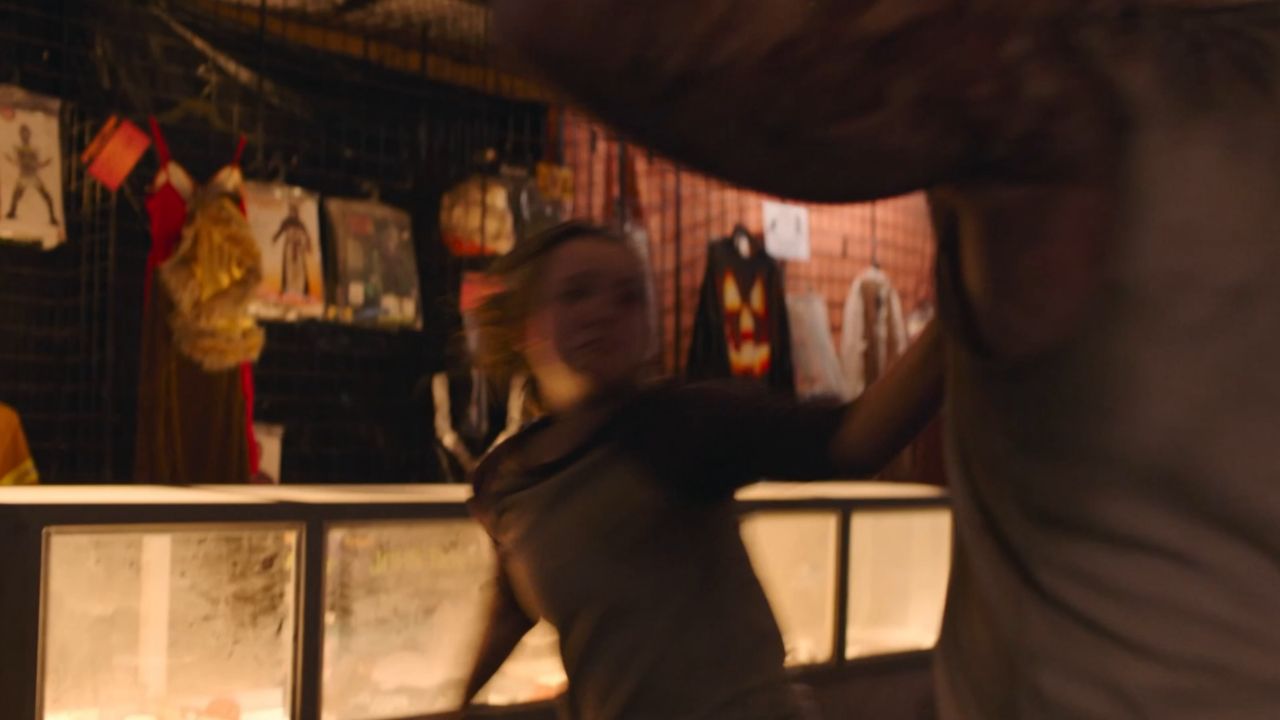
| 00:44–00:54 | Mall pursuit and close attack. Struggle, running and infected close-ups compress the distance between people and danger. | Maintain momentum. Reserve accents for a grab, collision or reveal; let one breath or creature detail briefly come forward. |
| 00:54–00:56 | Shotgun in the snow. A defender braces and handles a weapon in a cold exterior. The environment changes while the danger continues. | Make the location change a clear punctuation. Use one concise weapon detail against the exterior ambience. |
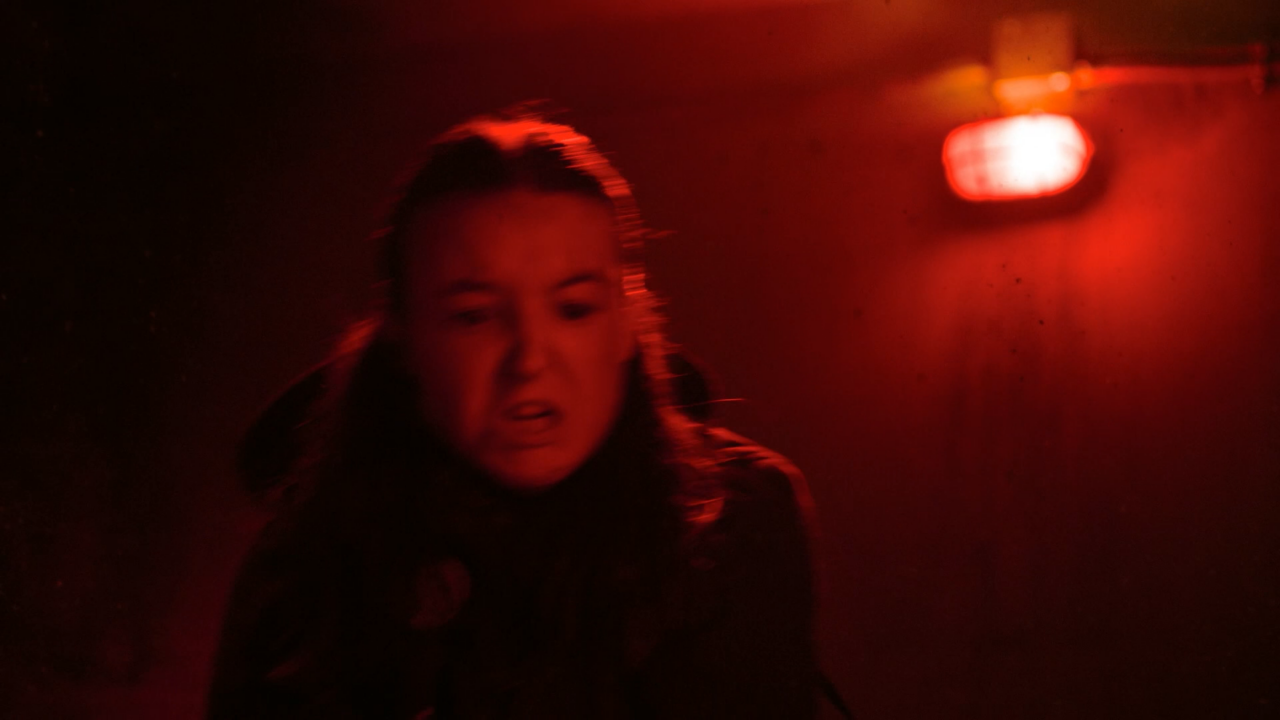
| 00:56–00:59 | Corridor suspense. Figures move through dim, restricted space. Small practical lights and red accents intensify uncertainty. | Ease the musical level and sustain tension. Footsteps, clothing and room tone can bring the viewer closer. |
| 00:59–01:02 | Connection and grief. An intimate gesture and a distressed close-up restore the emotional reason behind survival. | Give the musical line space. Reduce competing effects and allow the faces to hold attention. |
| 01:02–01:06 | Resolve and movement. Ellie aims in firelight; Joel’s reaction and horseback imagery connect determination, concern and travel. | Restore musical weight. Accent the armed image, then let a longer phrase carry the transition into the landscape. |
| 01:06–01:08 | Stairwell struggle. Bodies collide within a confined interior. Escape feels physically difficult. | Use a short rhythmic push, supported by one grounded collision or footfall. |
| 01:08–01:11 | Ambush near the horse. An exterior encounter becomes a hand-to-hand struggle. Travel itself becomes dangerous. | Preserve forward motion across the setting change. Use the principal grab or collision as the accent. |
| 01:11–01:17 | Infected confrontation. A fungal face, interior combat and Ellie near ground level connect creature horror with human fear. | Tighten the musical tension through the reveal. Create a small reduction around the reaction shot so the emotion remains readable. |
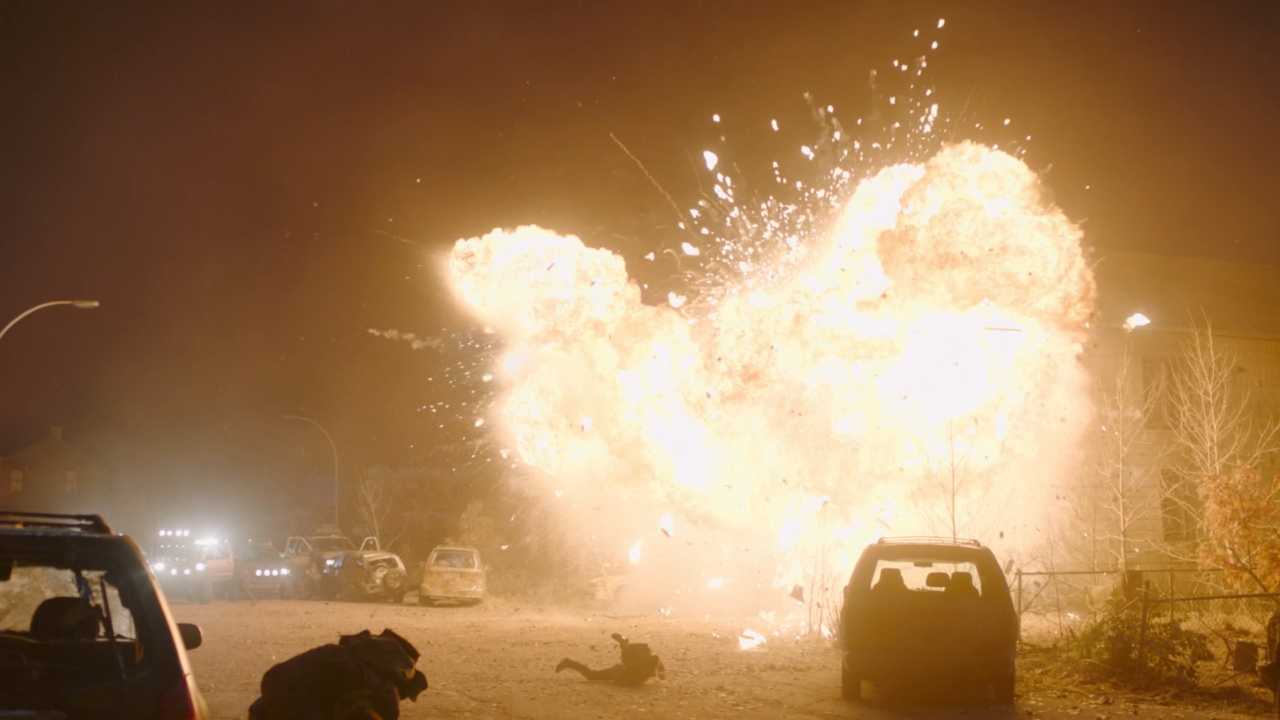
| 01:17–01:20 | Street explosion. A large night-time blast uses figures and vehicles to communicate scale. | Reserve a strong accent for the explosion. Allow its sound and musical tail to continue into the following image. |
| 01:20–01:27 | Pursuit and close-range defence. Running infected, physical struggle and a weapon confronting a clicker bring the threat back into personal space. | Maintain pressure through the pursuit, then emphasize the confrontation. Keep creature details short and purposeful. |
| 01:27–01:37 | Return to the burning battle. Fire, infected movement and wider street views repeat the visual motif of catastrophe. | Sustain a longer phrase. Let the wide shots establish scale, with environmental effects sitting beneath the music. |
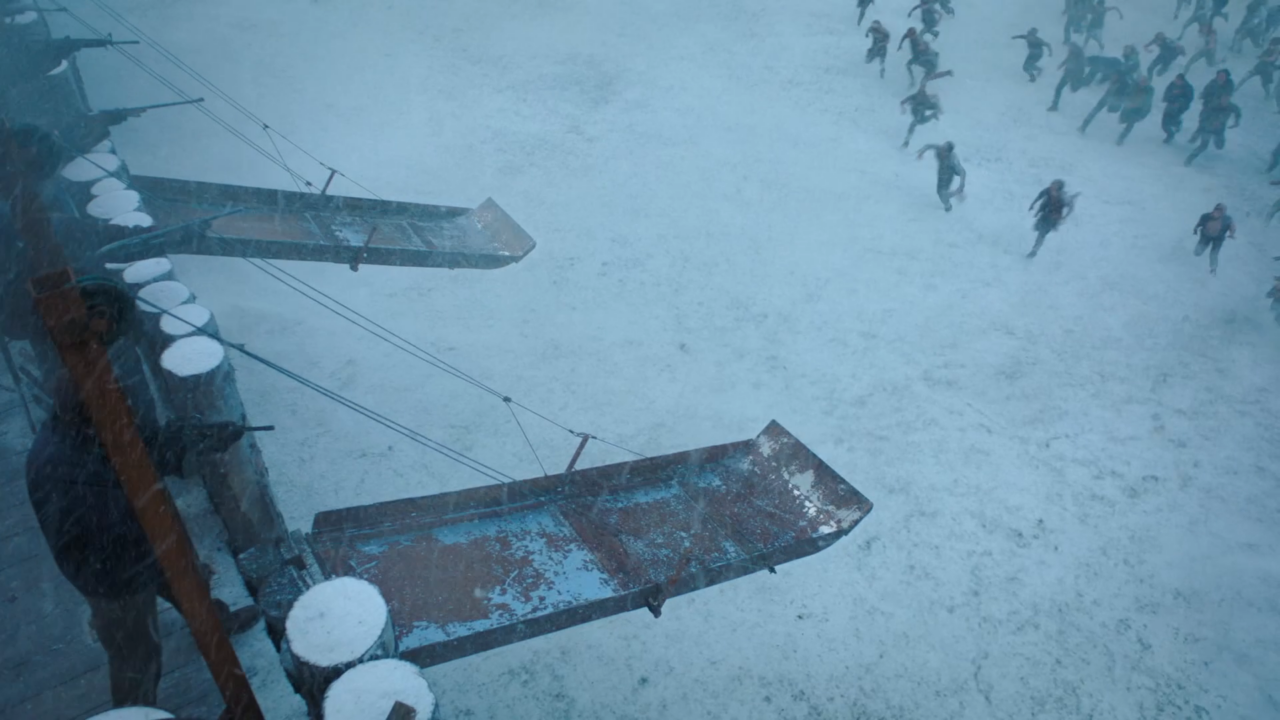
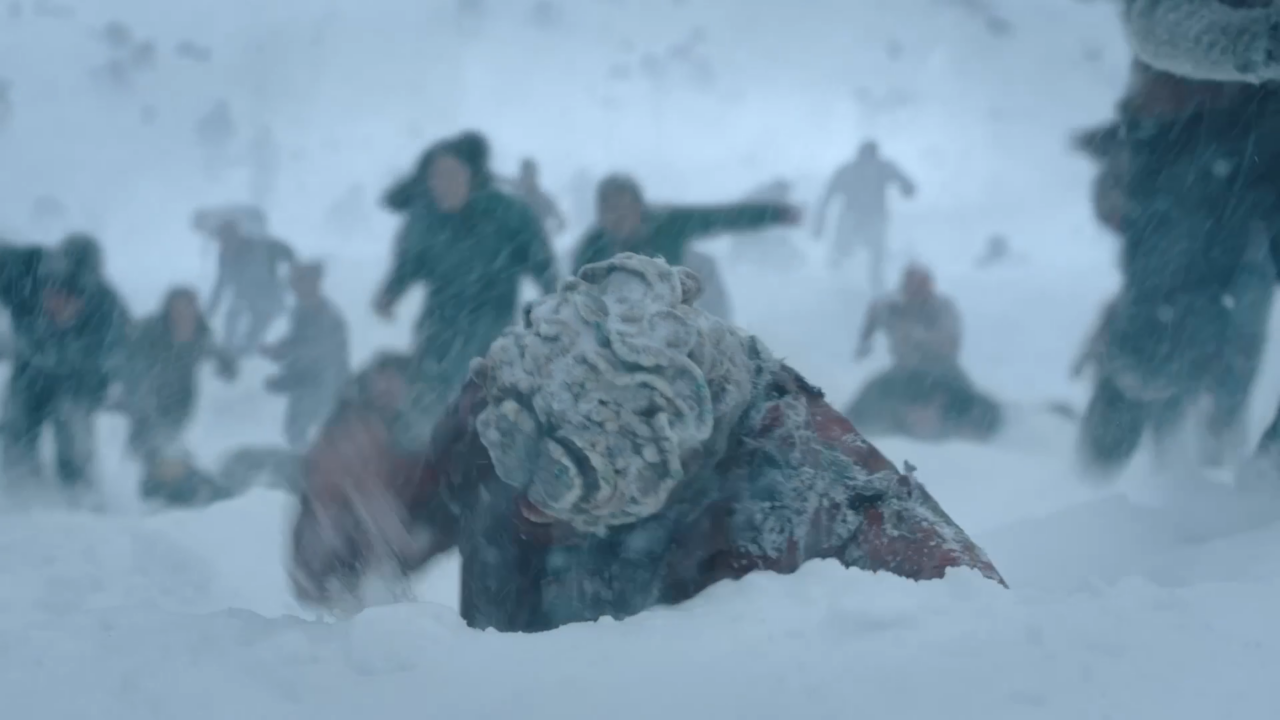
| 01:37–01:44 | Snowbound charge. A large infected figure and a spreading rush of bodies make the landscape feel overwhelmed. | Build intensity across the reveal and advancing mass. Maintain the sense of approach after the initial accent. |
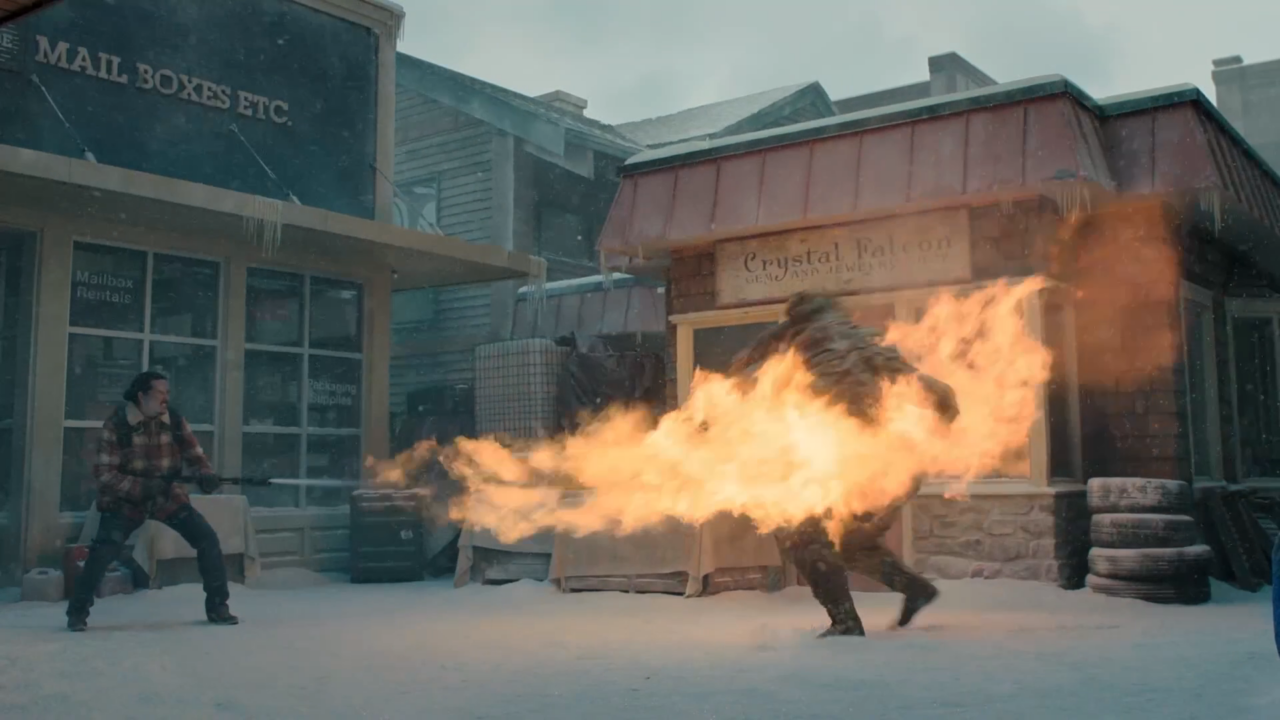
| 01:44–01:46 | Flame defence. A burst of fire cuts across the snowy street, delivering a forceful act of resistance. | Treat ignition as one clean accent. Let the flame rush briefly occupy the foreground of the mix. |
| 01:46–01:56 | Interior pursuit and red-lit struggle. The large external threat becomes an enclosed, bodily confrontation. | Maintain pressure with small changes in level. Let a breath, footstep or collision create a moment of intimacy. |
| 01:56–01:59 | Pressure at the wall. A mass of infected converges on a defensive barrier. Individual danger becomes collective. | Sustain a musical rise through the crowd movement. Keep the mass movement sound broad rather than overcrowding it with close details. |
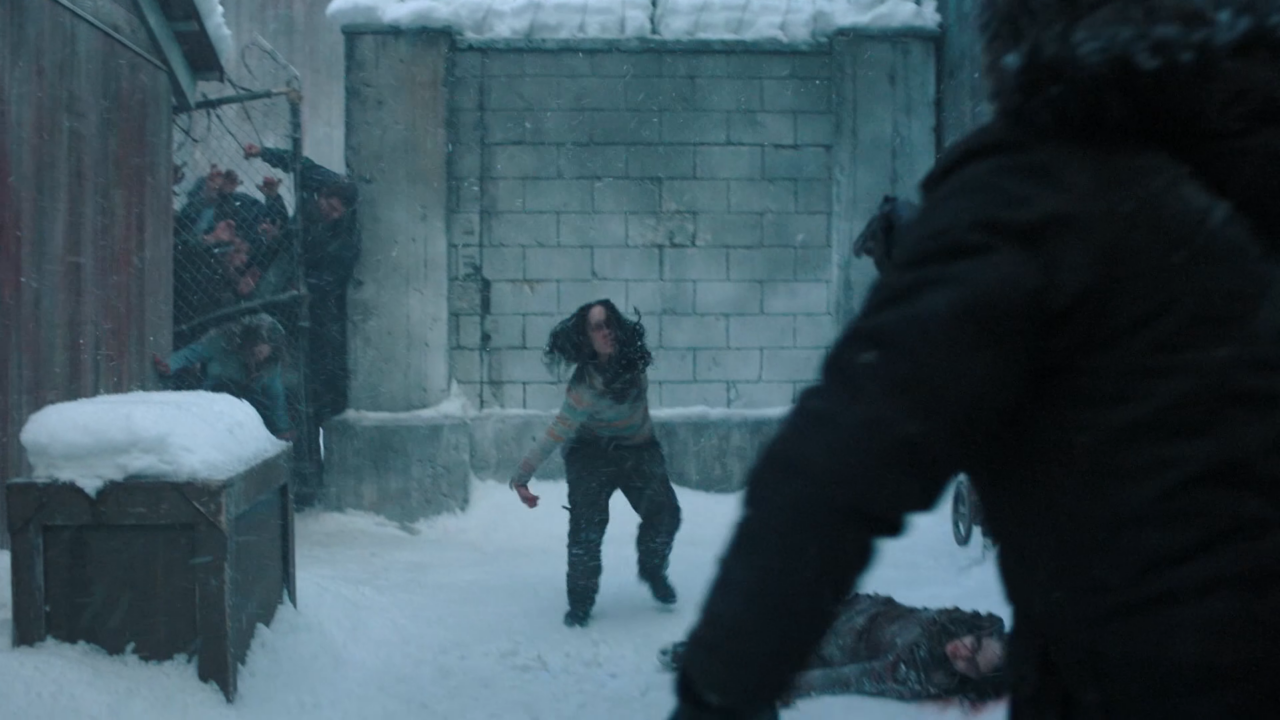
| 01:59–02:05 | Defence and breach. Snowbound combat, Tommy’s defensive action and interior danger connect the siege to individual effort. | Use shorter visual units within the phrase. Accent selected contacts while allowing the surrounding movement to flow. |
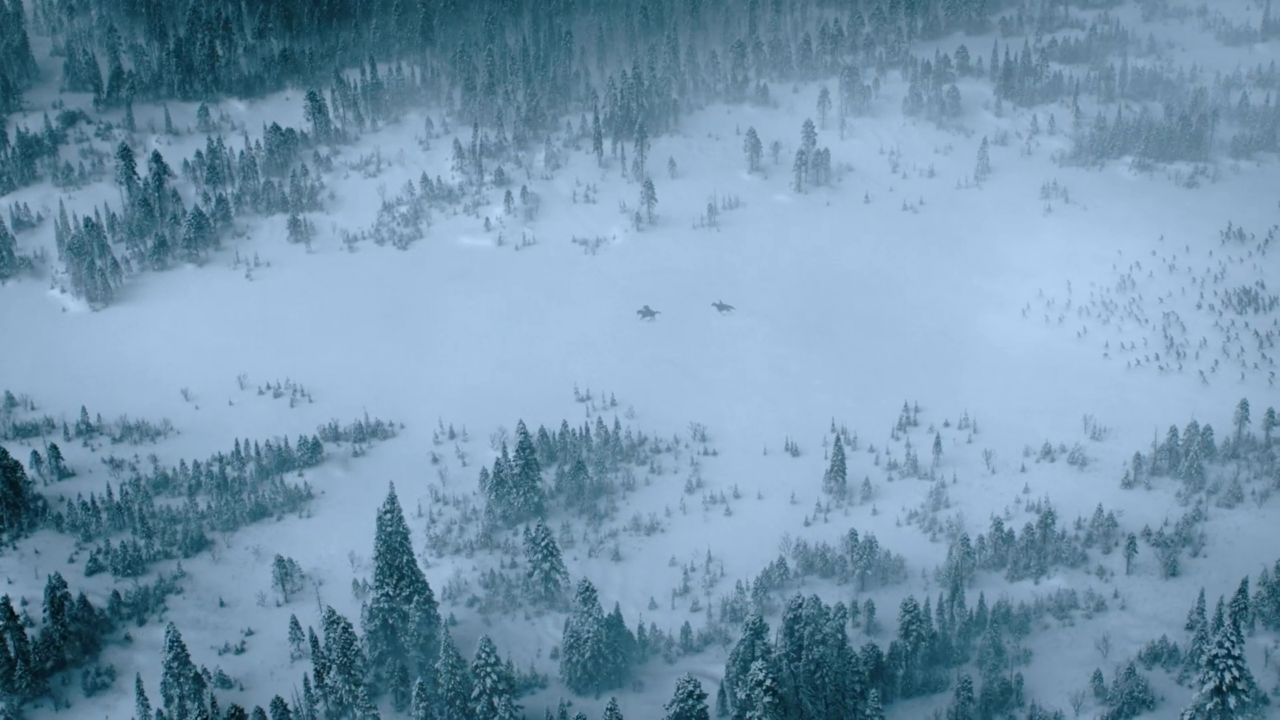
| 02:05–02:09 | Riders against the landscape. Two riders cross a wide snowfield as the horde occupies the surrounding geography. Adventure becomes exposure. | Let a broader phrase span the wide image. Give the audience time to understand the distance and scale. |
| 02:09–02:17 | Final siege montage. Close attacks, defensive actions and overhead views bring personal fear and collective catastrophe together. | Reserve the strongest remaining passage for the climax. Alternate selected accents with continuous movement, then prepare the title transition. |
| 02:17–02:23 | Title and release. THE LAST OF US appears and fades into black, leaving the action unresolved emotionally. | Use the track’s ending or a carefully shaped tail. Let the final sound decay into black. |

MUSICALITY — WHY THIS TRACK WORKS
The Lacrimosa-based arrangement gives the trailer a mournful emotional foundation. Its sense of lament connects the violence to loss and sacrifice, while its dramatic scale supports the transition from individual faces to overwhelming danger. The musical progression should support seven feelings:
Attachment → dread → impact → vulnerability → resistance → overwhelming danger → release.
The opening needs restraint so the characters matter before the spectacle begins. The first fire sequence introduces weight and momentum. Dark interiors and intimate moments benefit from small reductions in musical level, allowing attention to return to faces and physical detail. The final siege should feel like a distinct peak, followed by a controlled ending.
Musicality also comes from shot duration. A held reaction creates anticipation; shorter action shots create urgency; a wide landscape gives the audience space to understand the threat. Musical phrases can connect these different rhythms.
Sound effects should give selected events physical presence: a breath, a lighter, a weapon mechanism, a collision, fire or an explosion. Each detail needs a purpose and room in the mix.
The desired result is a trailer that feels active and dynamic while carrying grief, fear, determination and the emotional cost of survival.